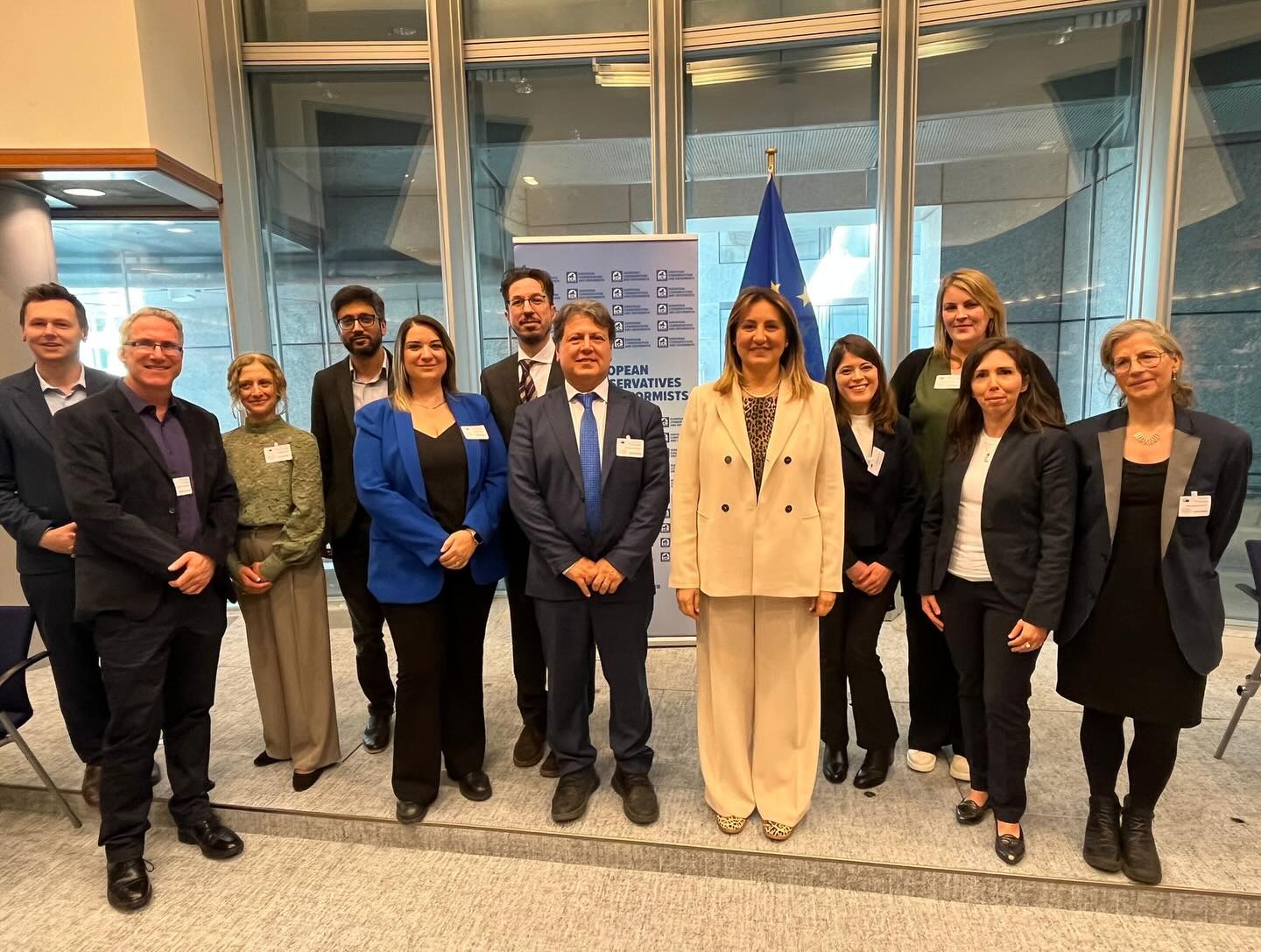
On 15 April 2026, Autism-Europe took part in a high-level event at the European Parliament in Brussels titled “Beyond Diagnosis: Supporting Autistic People through needs-based approaches and digital tools.” Hosted by MEP Chiara Gemma and organised in partnership with the National Research Council of Italy, the seminar brought together policymakers, researchers, clinicians, and representatives of the autism community to explore how support systems across Europe can evolve to better respond to the realities faced by autistic people today.
The discussion comes at a critical time. Across Europe, increasing numbers of people are seeking autism assessments, while health and social care systems struggle to keep pace. As highlighted throughout the event, models that rely on diagnosis as the primary gateway to services are under intense pressure, which hinders access to support. Beyond getting access to diagnosis, the questions at stake were who gets support, when, and on what basis.
Several speakers at this event called for a shift toward approaches that recognise and respond to people’s individual needs across the lifespan beyond formal diagnosis.
Grounding policy in lived experience
Monique Post, Autism-Europe’s Executive Committee member from the Netherlands, opened the seminar with a powerful reflection on the real-life impact of delayed access to diagnosis and gaps in support systems. Drawing on her own experience of being diagnosed at the age of 25, she spoke about the confusion and barriers that can arise when systems are not designed to accommodate individual differences.
Monique emphasised that person-centred support requires time, understanding, and flexibility, elements often missing in current service structures. Highlighting that as an autistic people “We don’t always get the opportunity to truly get to know people,” and pointing to the cause, rigid care packages and limited resources. Monique highlighted the importance and weight of self-advocacy, reminding participants that sharing lived experience is deeply personal and should never be taken lightly.
Monique set the tone for the event: that any meaningful reform must be rooted in the voices and rights of autistic people.
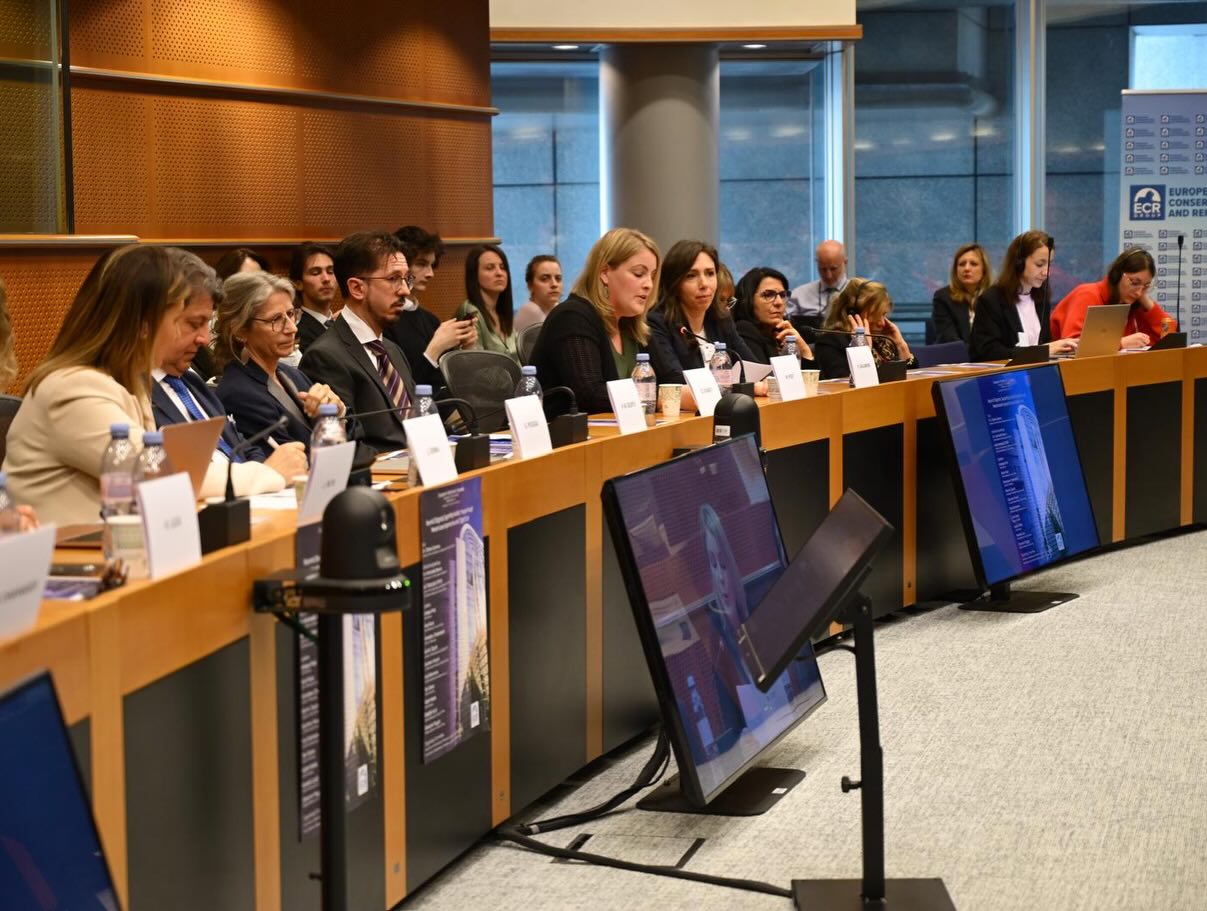
Moving to Needs-based Service Provision
Throughout the seminar, a consistent message emerged: diagnosis remains important for recognition and access to rights, but it cannot be the sole basis for support.
Professor Liliana Ruta outlined how rising demand for assessments is creating bottlenecks across Europe, with long waiting times delaying access to services. She stressed that support needs are dynamic; evolving across life stages and contexts, and that systems must reflect this complexity and adapt accordingly.
Speakers across sessions reinforced this perspective. In early childhood, delays in diagnosis can lead to missed opportunities for timely support, notably evidence-based therapy, as highlighted by Dr Giacomo Vivanti, with long-term consequences. At the same time, many autistic adults, particularly older people, remain undiagnosed or misdiagnosed, leaving their needs unrecognised. As Professor Hilde Geurts highlighted, support systems for older adults are often ill-equipped to respond to neurodivergence. She underlined the need for lifelong approaches, including ensuring access to diagnosis for older adults, while accounting for the huge diversity of needs, and not relying on diagnosis alone for support.
The role of digital tools and scalable solutions
A major focus of the event was to explore how digital tools can help alleviate the pressure on clinicians, shorten waiting lists, and make it easier for autistic people to access timely and appropriate support. Prof. Bhismadev Chakrabarti shared insights into digital assessment programs conducted in low-resource countries that can be administered by non-specialists.
Prof Ofer Golan highlighted how digital interventions may expand access to support for autistic people across different contexts and stages of life, highlighting current evidence on the effects of such interventions. He also emphasised their limits, practical applicability, and ethical implications.
Dr Rossela Luca presented examples of tools that measure developmental dimensions—such as communication, attention, and sensory processing—without requiring a formal diagnosis as a prerequisite for support. Dr Erica Salomone highlighted the WHO’s Caregiver Skills Training programme to support parent-mediated interventions, which can be delivered in low-resource settings and adapted across contexts.
A call for rights-based, co-created systems
Adam Harris, Autism-Europe’s Executive Committee member, closed the policy-focused discussions by reflecting on the broader issue of autism rights and policy in the EU. He highlighted the significant progress made in awareness and recognition over recent decades, while cautioning against complacency in the face of emerging challenges, including misinformation and the persistent inequalities in access to support.
Adam emphasised that future systems must be co-created with autistic people, ensuring that services are not only available but truly responsive to their needs and rights. At the EU level, he called for stronger coordination, adequate funding, and a renewed commitment to advancing a rights-based approach to autism.
Conclusion
The seminar made clear that Europe stands at a turning point. With increasing demand for support and growing recognition of the diversity of autistic experiences, there is an urgent need to rethink how systems are designed and delivered.
A shift toward needs-based, person-centred approaches supported by responsible use of digital tools offers a pathway toward more equitable and sustainable systems, as highlighted by Dr Giovanni Pioggia when closing the event. However, achieving this vision will require sustained collaboration between policymakers, researchers, practitioners, and the autism community.
Autism-Europe will continue to advocate for policies and practices that uphold the rights, dignity, and inclusion of autistic people across Europe, ensuring that no one is left waiting for the support they need to thrive.
To watch the recording of the event, follow this LINK.