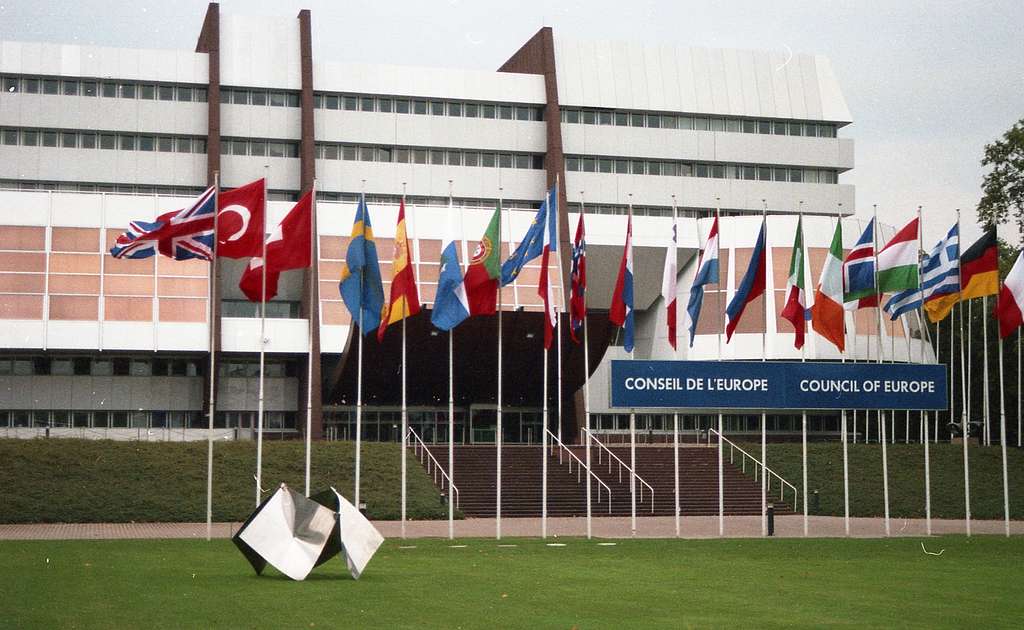
On 28 January 2026, the Parliamentary Assembly of the Council of Europe (PACE), the Europe‑wide parliamentary body bringing together elected representatives from the 46 Council of Europe member states in Strasbourg, France, has unanimously rejected a proposed draft additional protocol to the 1997 Oviedo Convention on Human Rights and Biomedicine, intended to cover involuntary placement and involuntary treatment in mental healthcare services.
PACE had been asked by the Council of Europe’s Committee of Ministers, representing the 46 Council of Europe member states, to provide an opinion on the draft protocol to the Oviedo Convention on Human Rights and Biomedicine, prepared by intergovernmental experts. In its decision, the Assembly warned that adopting such a protocol would “make it more difficult to abolish coercive practices” in mental health settings.
The opinion adopted with 63 votes in favour and 3 abstentions (drafted by rapporteur Carmen Leyte from Spain), acknowledges the need for clear frameworks to regulate exceptional, last‑resort measures. However, PACE strongly recommends that the Committee of Ministers abandon the protocol approach and instead consider a more flexible instrument, such as a recommendation. Crucially, any new instrument must be fully aligned with the United Nations Convention on the Rights of Persons with Disabilities (UN CRPD), including its general comments and guidelines.
As highlighted by the Assembly, all Council of Europe member states have ratified the UN CRPD, which sets out a paradigm shift toward respecting the autonomy, dignity, and legal capacity of persons with disabilities.
Autism‑Europe welcomes this landmark decision
This opinion confirms what Autism‑Europe, alongside many disability and mental health organisations, has consistently stated for years, that the proposed protocol is not compliant with the UN CRPD.
The Parliamentary Assembly joins strong opposition by civil society, mental health professionals, the Council of Europe’s own Commissioner for Human Rights, the United Nations Committee on the Rights of Persons with Disabilities and Council of Europe members like Bulgaria.
Autism‑Europe has been actively involved in the Withdraw Oviedo campaign to abandon the draft additional protocol, together with Mental Health Europe (MHE), the European Disability Forum (EDF), Inclusion Europe (IE), and many other organisations, ensuring that the voices of persons with (psychosocial) disabilities remain central in decisions that directly affect their lives.
Opposition to the draft additional protocol stems from the fact that it would solidify and likely increase the incidence of involuntary placement and treatment in psychiatric care. Forced treatment and placement, or coercion, on the basis of disability constitutes a grave human rights violation. Moreover, it risks ensuring the continued institutionalisation of persons with disabilities. The protocol stands in direct violation of international human rights agreements such as the UN CRPD, posing serious legal conflicts.
Those who seek to advance the protocol ignore its inevitable harms as well as viable alternatives to coercion as outlined in the WHO Quality Rights initiative and the Council of Europe’s Compendium report: Good practices to promote Voluntary Measures in Mental Health Services.
A clear message for Europe
Autism-Europe joins the call by fellow disability rights and mental health associations on the Council of Europe’s Committee of Ministers to withdraw the draft additional protocol during their next meeting. We are particularly concerned that the latest information we received indicates that the Committee of Ministers intends to ignore the opinion and adopt the additional protocol.
The adoption of this protocol would be damaging for people across Europe. Withdrawing the text will allow Europe to join the turning tide towards human rights-based mental health services and systems.
The way forward: investing in rights‑based, community support
Europe now has an opportunity to choose a different path: one that invests in voluntary, community‑based, person‑centred mental health support that respects autonomy, dignity, and legal capacity.
Anything less would represent a step backwards for human rights.
Autism‑Europe will continue to work with its partners to ensure that mental health policy and practice across Europe are aligned with the UN CRPD and the lived experiences of persons with disabilities.
Watch the PACE debate here.
Read the adopted opinion here.